Use Cases: Where We Imagine Making a Difference

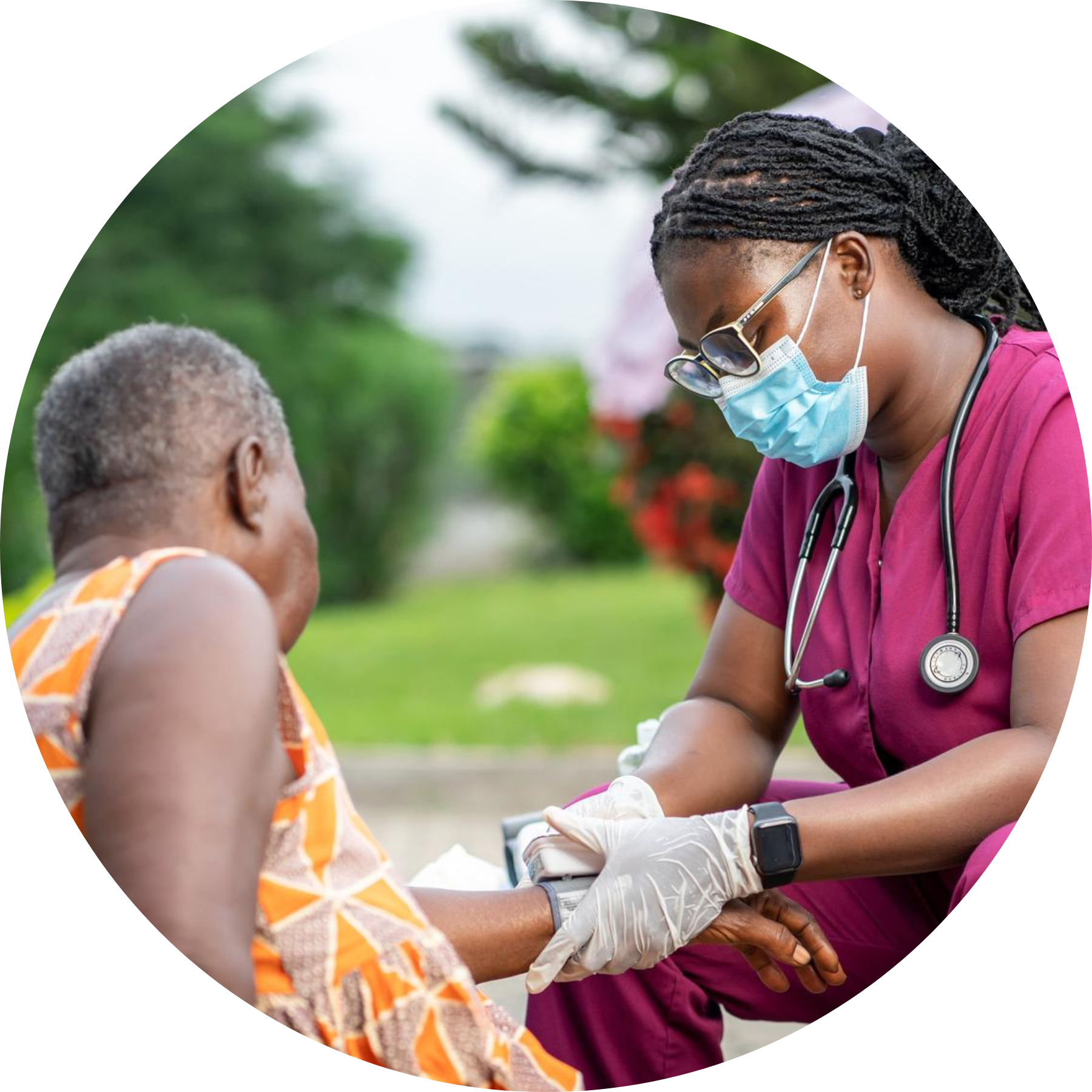
Rural Clinics
One in five Americans, roughly 60 million people, live in rural areas, and they are hospitalized for preventable conditions at a rate 40% higher than their urban counterparts. Rural clinics face a real constraint: send a sample to a lab and wait 3 to 4 days, or treat based on the best available information in the room. We imagine GeneCapture closing that gap, putting near real-time infection diagnosis where the patient already is.
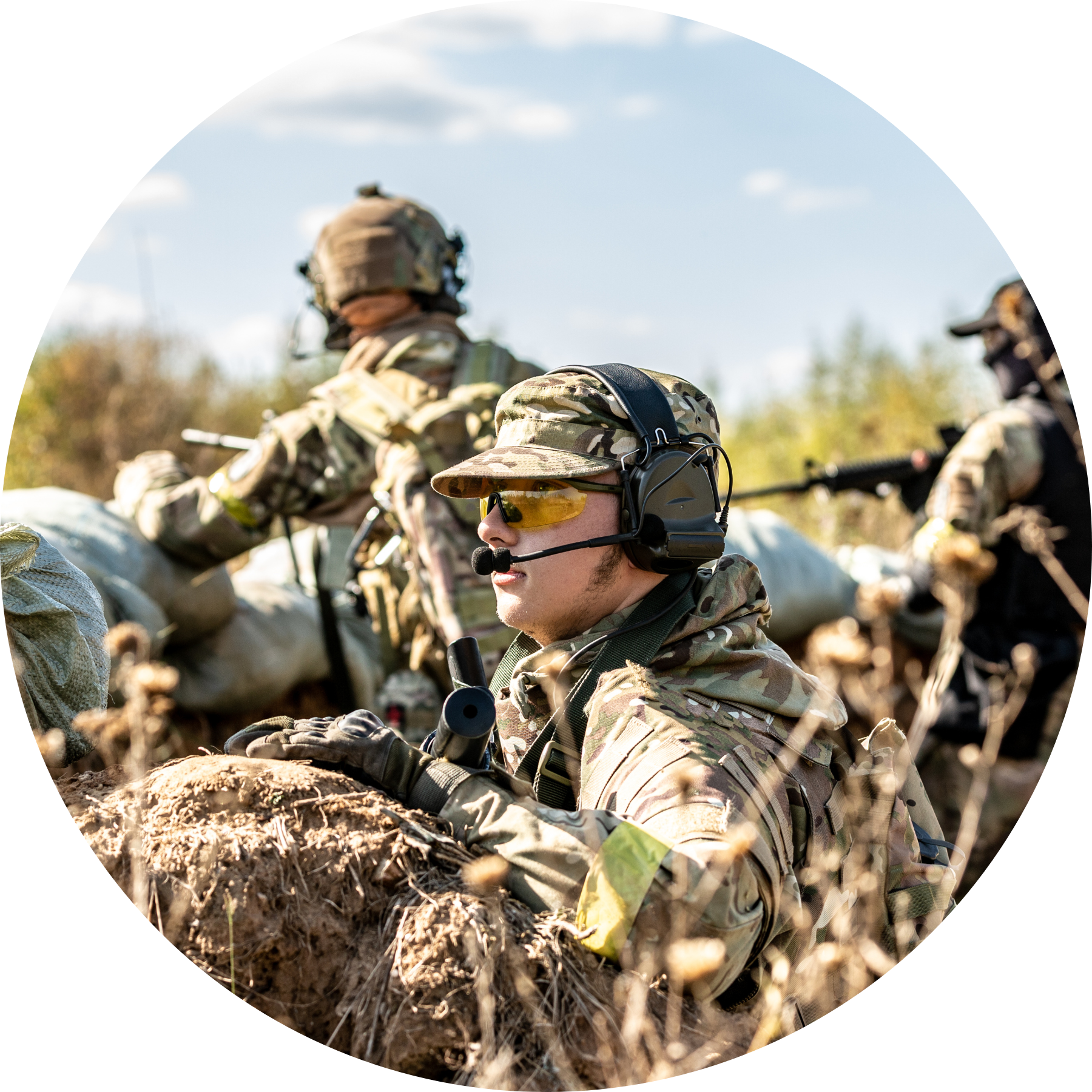
Military Aid
Combat wounds become infected in 27% of cases, according to the Trauma Infectious Disease Outcomes Study, and in the field there is no microbiology lab to tell a medic what is growing in that wound or which antibiotic will stop it. We imagine a medic at a forward aid station opening a case, running a test, and having an answer before the next decision has to be made. GeneCapture has earned $12.3M across eight DoD contracts with Chembio Defense, Defense Threat Reduction Agency, the Defense Health Agency, the Army, and AFWERX, each requiring demonstrated technical performance.
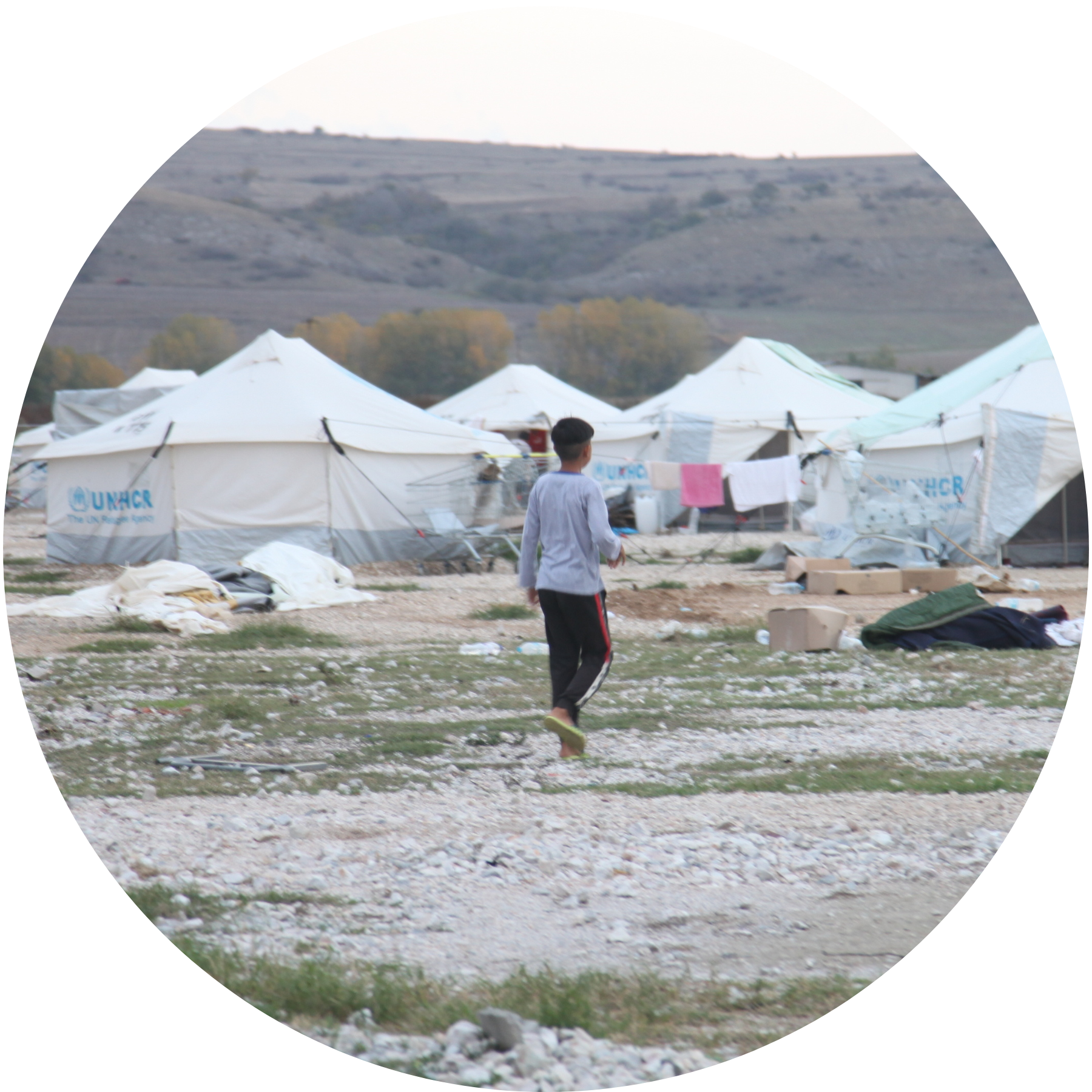
Disaster Response
When Hurricane Maria hit Puerto Rico in 2017, it did not just destroy homes and roads. It knocked the island's public health laboratory offline. With no way to test, a leptospirosis outbreak spread through contaminated floodwater largely undetected. Cases tripled, and many people died. Seven independent experts later said it met the threshold for an epidemic that was never declared, because no one knew what they were dealing with fast enough to act. We imagine GeneCapture in the hands of disaster response teams the moment the storm clears, able to identify what is spreading through the water and the wounds before the second disaster begins.

Cruise Ships
In May 2026, the MV Hondius became the first cruise ship in history to experience a hantavirus outbreak. Thirteen people were infected. Three died. The ship had to be evacuated to the Canary Islands while international health authorities scrambled to trace contacts across multiple countries. We imagine what happens differently when a ship has a GeneCapture platform in its infirmary. All 147 passengers and crew tested from a simple blood draw, at roughly $20 per person. Hundreds of pathogens screened simultaneously, including hantavirus, dengue, Zika, and West Nile virus, all from the same test, all in under 1 hour. The outbreak would be identified before it leaves the ship. GeneCapture is working toward making that possible.

Airports
When SARS-CoV-2 was sequenced in January 2020, the world knew what it was dealing with. What it did not have was a reliable way to test for it. Months passed before accurate diagnostics were widely available, and by then the virus had already moved through every major airport on earth. The rapid antigen strips that eventually arrived had a pooled sensitivity of just 69% across 60 peer-reviewed studies, meaning nearly one in three infected travelers could pass through undetected. We imagine GeneCapture as a different kind of answer. When a novel pathogen is sequenced, new probes can be added to the existing platform and deployed rapidly, with the 95 to 98% accuracy as our validation studies have demonstrated. Airports are where the next outbreak will travel. We are working to make sure the tools are there when it does.
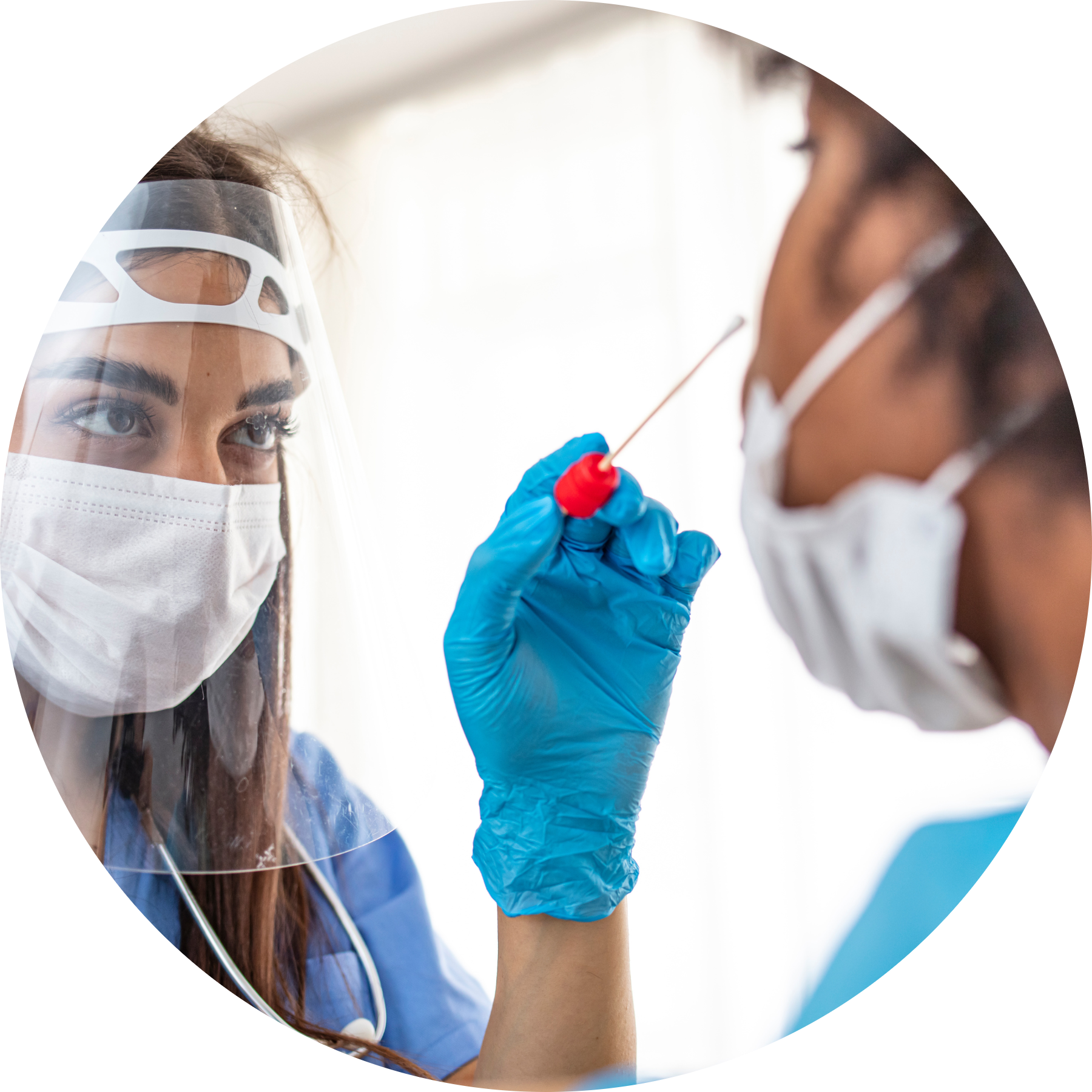
Urgent Care
Unlike rural clinics, urgent care centers are not cut off from laboratory infrastructure. The problem is time. A clinician sees a patient with a UTI or a wound infection, knows they need to treat it, and sends a culture to the lab. Three to four days later, the result comes back, often to a patient who has already finished a course of the wrong antibiotic, returned for a follow-up, or in worse cases, became sicker. Across the U.S., that scenario plays out 10 million times a year for UTIs and 16.5 million times for wound infections. The volume is staggering, and the cost of the delay compounds at every step: unnecessary return visits, treatment failures, and antibiotic resistance built up one empiric prescription at a time. We imagine GeneCapture in every urgent care clinic, delivering a result in under an hour at 80% less cost than current lab testing, so the right antibiotic gets prescribed at the first visit, not the second, or third.

Animal and Agriculture
Bacterial disease costs the U.S. catfish farming industry an estimated $60 to $100 million every year, accounting for 83% of all catfish disease losses. Invasive plant pathogens cost U.S. agriculture an estimated $21 billion every year. Fusarium head blight alone wiped out $2.7 billion in Midwest crops in just two years. The problem is not just the pathogen. It is the time between the first infected plant and the moment a farmer knows what they are dealing with. Bovine Respiratory Disease affects one in five feedlot cattle and costs the industry more than $2 billion every year. The trigger is often movement: breeding stock and young animals shipped between farms carry pathogens into new populations, and by the time symptoms appear the disease has already spread. Decisions must be made on the farm, not in a lab a few states away.

Schools
Rapid tests exist for strep, flu, and COVID. But when something is circulating through a school and the rapid test comes back negative, a school nurse has no next move. The kids keep getting sent home, parents keep leaving work, and nobody knows what is actually spreading until enough people get sick to trigger a public health response. We imagine a school nurse with a GeneCapture reader able to test for hundreds of pathogens at once, identifying what is moving through the building before one sick kid becomes a school-wide outbreak.
Imagine: Near real-time infection diagnosis, anywhere, any time.
Global Infection Grid
We imagine a global ‘weather map’ but for infections, so public and private industry can track and predict where cases are spreading, where to have the right medicine on hand and where to contain and test. A real time Global Infection Grid™ will bring clarity and actionable decision-making to a world that is very vulnerable to new and existing infections.