

Our Story: From a Three-Day Wait to a One-Hour Answer

It all started with a preemie baby
When co-founder Dr. Krishnan Chittur's daughter was born, joy turned to fear within hours. Doctors suspected pneumonia, ordered a blood draw, and as a precaution started antibiotics immediately, before any results came back. For three days, a powerful drug flowed into a newborn's immature immune system while her parents waited, not knowing if she was truly sick.
Three days later, the lab cleared her. No pneumonia. Relief, but also a hard question. Why did confirming a simple diagnosis take three days, using a culture method essentially unchanged since World War I?
Chittur, an engineering professor at UAH, could not shake the question.
From origin story to platform
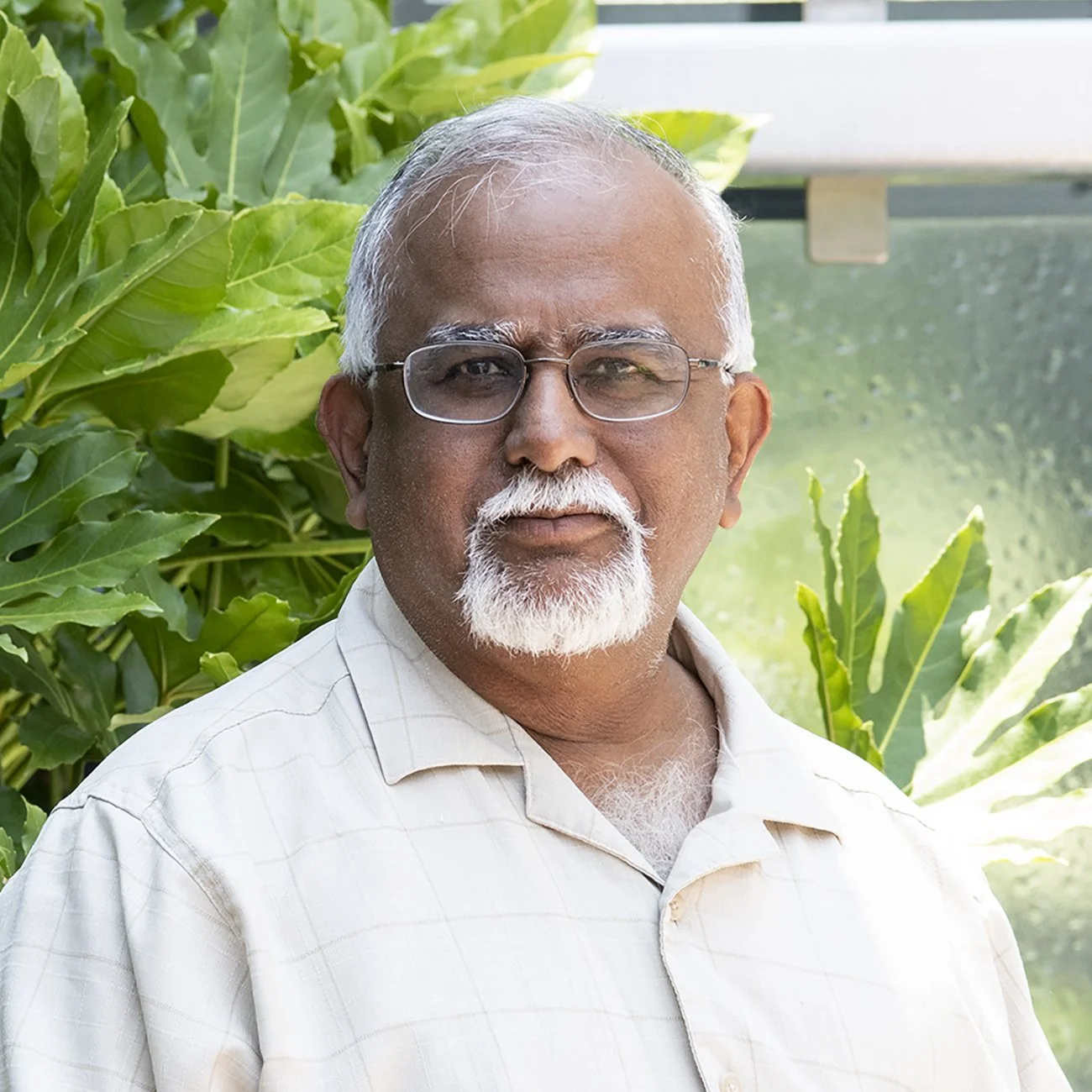
2003
Origin Dr. Chittur’s 3-day wait for his premature baby’s infection test results to arrive began a quest to find a way to modernize infection detection.




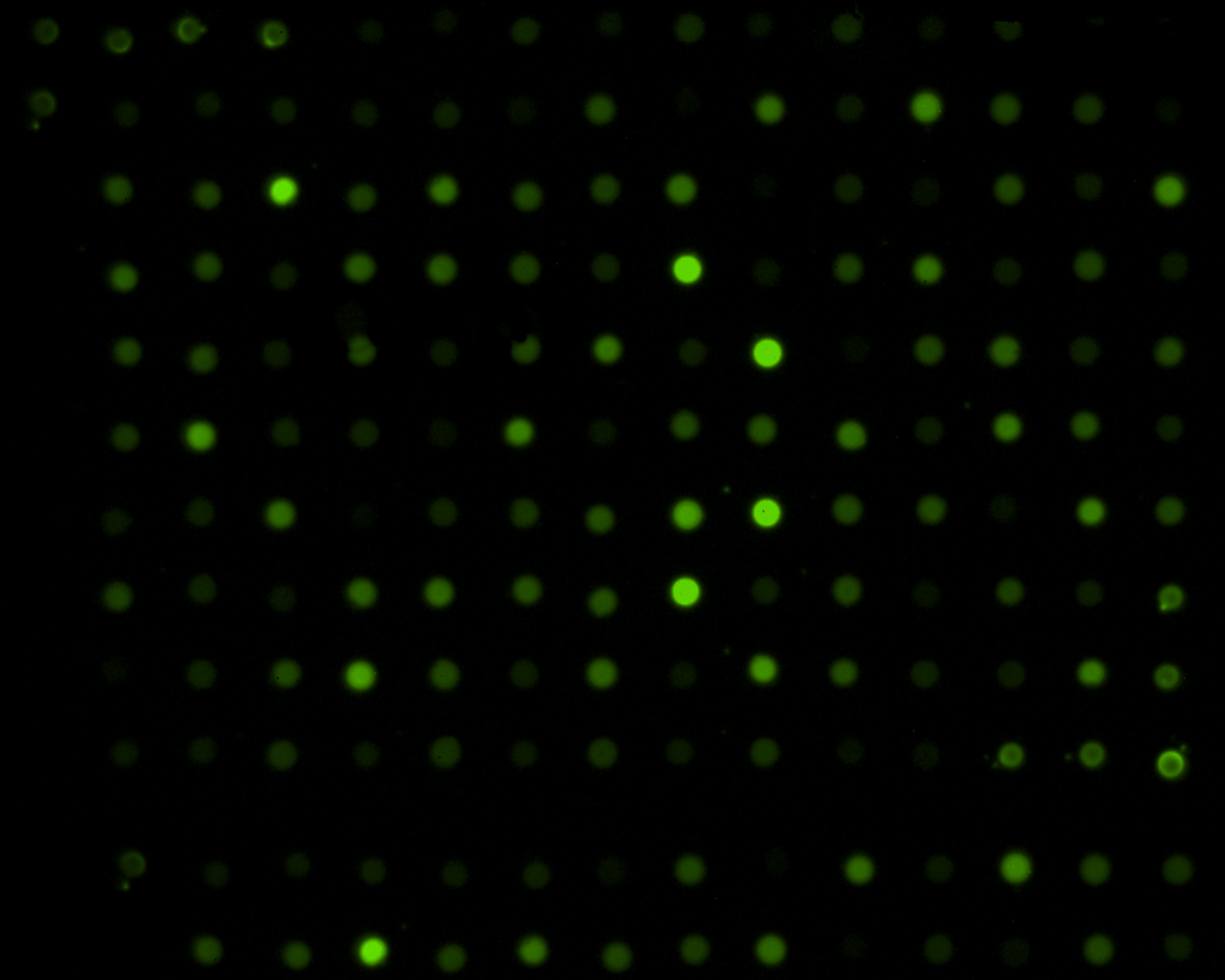

2008
Patented awarded for novel infection detection Dr. Chittur and his team found that DNA probes could identify a pathogen’s genetic signature fast. That breakthrough became GeneCapture.
2010
Commercializing the idea Krishnan teamed up with Peggy Sammon, a local serial entrepreneur and advocate for health equality. Together as CTO and CEO, they developed a business plan, won some early funding and joined the emerging campus at the new HudsonAlpha Institute for Biotechnology.
2016
Expanding the team Krishnan and Peggy, joined with CSO Paula Milirons, built a strong team of microbiologists, engineers, FDA clinical trial advisors, and field deployment specialists. Together, their first prototypes began earning grants and winning awards, including the the Alabama Launchpad Award.

2018
Product created The first working prototype of the CAPTURE cartridge, which is the heart of the Rapid ID Platform, returned results within one hour.
2022
Testing 5,000+ tests run, operating prototypes demonstrated to funding agencies, advisory team, and investors.
2025
Validation 3rd party validation at MRI
2018
Government traction Department of Defense contracts and austere-environment use cases
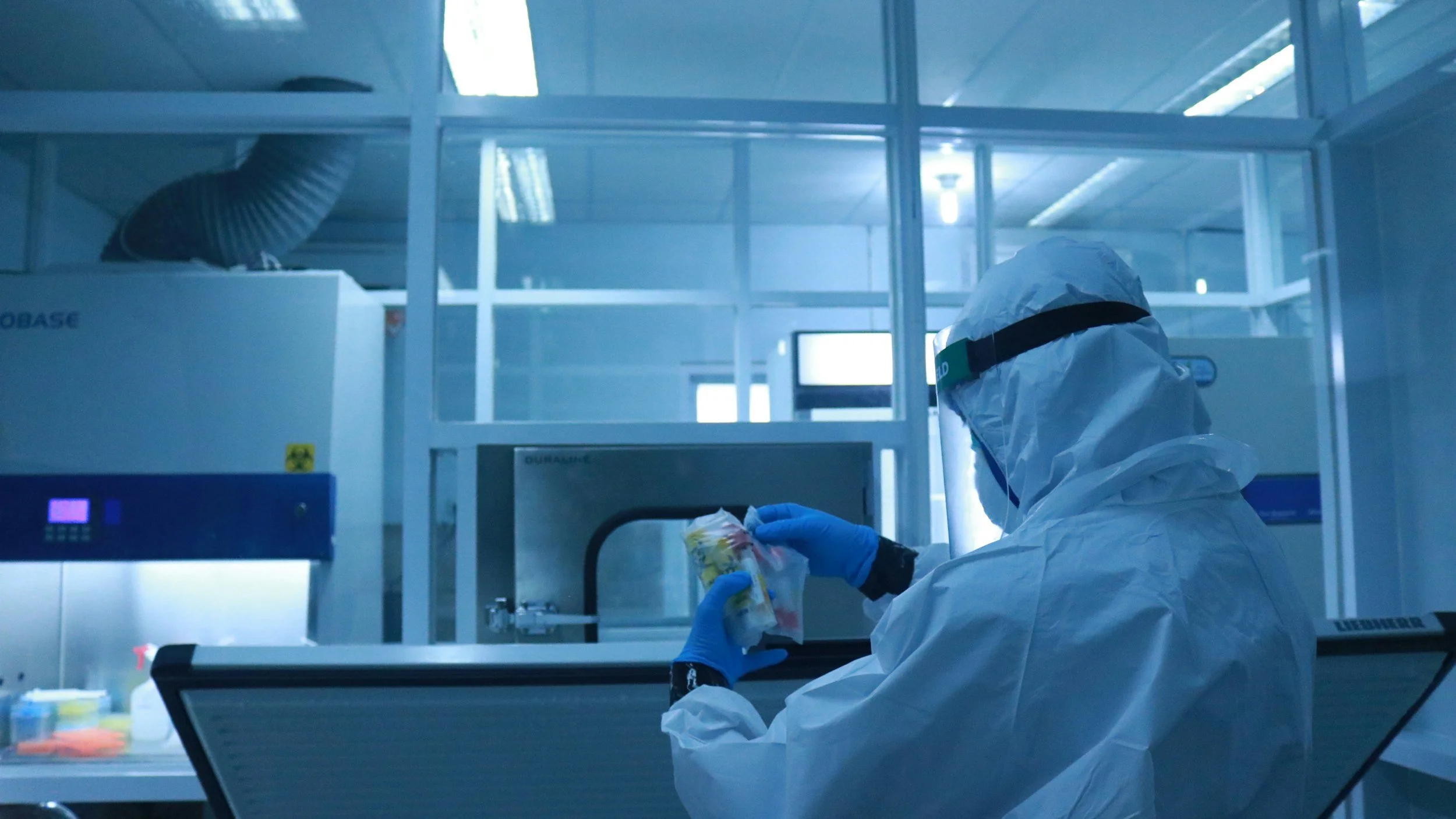
2027
Our next goal We plan to begin FDA Clinical Trials in August of 2027


Current Status: 8 patents, FDA Study Concurrence, $12M DoD contracts, $7M preferred equity raised, and validated RapidAST.